

In the world of online English teaching, having the right tools can make all the difference in providing a productive and engaging learning experience. Whether you are teaching young learners or adults, having the right ESL teaching tools is essential for creating a smooth and interactive classroom environment. In this article, we will explore three key online teaching tools that every ESL teacher needs: the virtual classroom platform, the basic teaching setup, and interactive materials. These tools will help you deliver effective lessons and keep your students engaged, making your online teaching experience much more rewarding.
1. Virtual Classroom (Where Teaching Happens)

The virtual classroom is the foundation of your online teaching setup. This is where all the action happens, it’s the space where you interact with your students, present your lessons, and assess their progress. Choosing the right virtual classroom platform is crucial for ensuring that your lessons run smoothly and that you can engage with your students effectively.
A good virtual classroom platform should offer the following features:
Video Conferencing
The ability to see and interact with your students is essential for building rapport and creating an engaging environment. Look for platforms with high-quality video and audio options, as these will make it easier to communicate with students.
Screen Sharing and Whiteboards
Screen sharing allows you to present your lesson materials, and using a virtual whiteboard can help you illustrate concepts, write vocabulary, or even solve problems together. Interactive whiteboards also allow students to engage directly with the content by writing or drawing on the screen.
Chat Functions
While speaking with students is essential, chat functions are equally important. They allow students to ask questions, clarify doubts, and participate in discussions without interrupting the flow of the lesson. In addition, you can use chat to give instructions, provide additional explanations, or even ask students to submit answers.
Popular virtual classroom platforms that cater to ESL teachers include Zoom, Google Meet, and ClassIn. These platforms are specifically designed to support interactive lessons and offer various features that enhance the teaching experience, such as breakout rooms for group work or file sharing.
When selecting a virtual classroom, it’s important to consider factors like internet stability, user interface, and pricing. If you’re just starting, consider using a platform that offers free trials or low-cost plans with essential features.
2. Basic Teaching Setup (Your Equipment)

Your teaching equipment is just as important as the platform you use. A stable and reliable setup ensures that your lessons run without interruptions and that you can interact with your students seamlessly. Here’s a breakdown of the essential ESL teaching equipment that every online teacher should have:
a. Computer/Laptop
The core of your online teaching setup is your computer or laptop. It should be powerful enough to run your virtual classroom platform, manage lesson materials, and handle video and audio functions smoothly. A laptop with at least 8GB of RAM and a modern processor is recommended to avoid lagging or freezing during lessons.
b. Webcam and Microphone
For effective communication with your students, a high-quality webcam and microphone are crucial. A clear image and crisp sound are essential for engaging students and maintaining their attention.
- Webcam: Choose a webcam with at least 720p HD resolution for clear video. This will ensure that students can see your facial expressions, body language, and any visuals you use during the lesson.
- Microphone: A good microphone helps eliminate background noise and ensures that your voice is clear. Consider using a noise-canceling microphone or a headset with a built-in mic to improve sound quality. A USB mic or an audio interface with a professional microphone may also be a good investment if you want to elevate your teaching quality.
c. Lighting
Proper lighting is often overlooked, but it’s essential for maintaining visibility during lessons. A well-lit space ensures that your students can clearly see you and creates a professional atmosphere. Invest in soft, natural lighting or a ring light to brighten up your face, ensuring that you’re not shadowed or overexposed.
d. Internet Connection
A fast and reliable internet connection is key for smooth, uninterrupted lessons. Aim for a connection with at least 25 Mbps download and upload speed, especially if you plan to use video and screen-sharing features frequently. A wired connection via Ethernet is generally more stable than Wi-Fi, so if possible, consider using a wired connection for your lessons.
3. Interactive Materials (Keep Students Engaged)

Engagement is key to online ESL teaching. Without the right interactive materials, students may lose interest, making it difficult to maintain their focus and enthusiasm. This is especially true for younger learners who need hands-on activities to keep them motivated.
There are several types of interactive ESL materials that can help enhance your lessons and keep your students engaged:
a. Flashcards and Vocabulary Cards
Flashcards are a time-tested tool for teaching vocabulary. Digital flashcards can be created using tools like Quizlet, or you can use built-in flashcards on your virtual classroom platform. These are perfect for teaching new words, reviewing vocabulary, and playing games like memory matching or word association.
For younger learners, physical flashcards with images can be used as props to introduce vocabulary, which can then be reinforced in a virtual space. Using flashcards during lessons can also break the monotony and add a bit of fun to the classroom.
b. Games and Quizzes
Games and quizzes are powerful tools to reinforce learning while maintaining engagement. Online ESL games, such as word scrambles, crossword puzzles, and language apps, can help students practice new vocabulary or grammar concepts. Interactive quizzes with instant feedback, like Kahoot or Quizizz, make learning fun and competitive.
Platforms like English Bright ESL also provide built-in games and interactive exercises that make lessons more dynamic. By using a variety of activities, you keep the lesson exciting and give students opportunities to practice what they’ve learned in a more relaxed environment.
c. English Bright ESL Tools
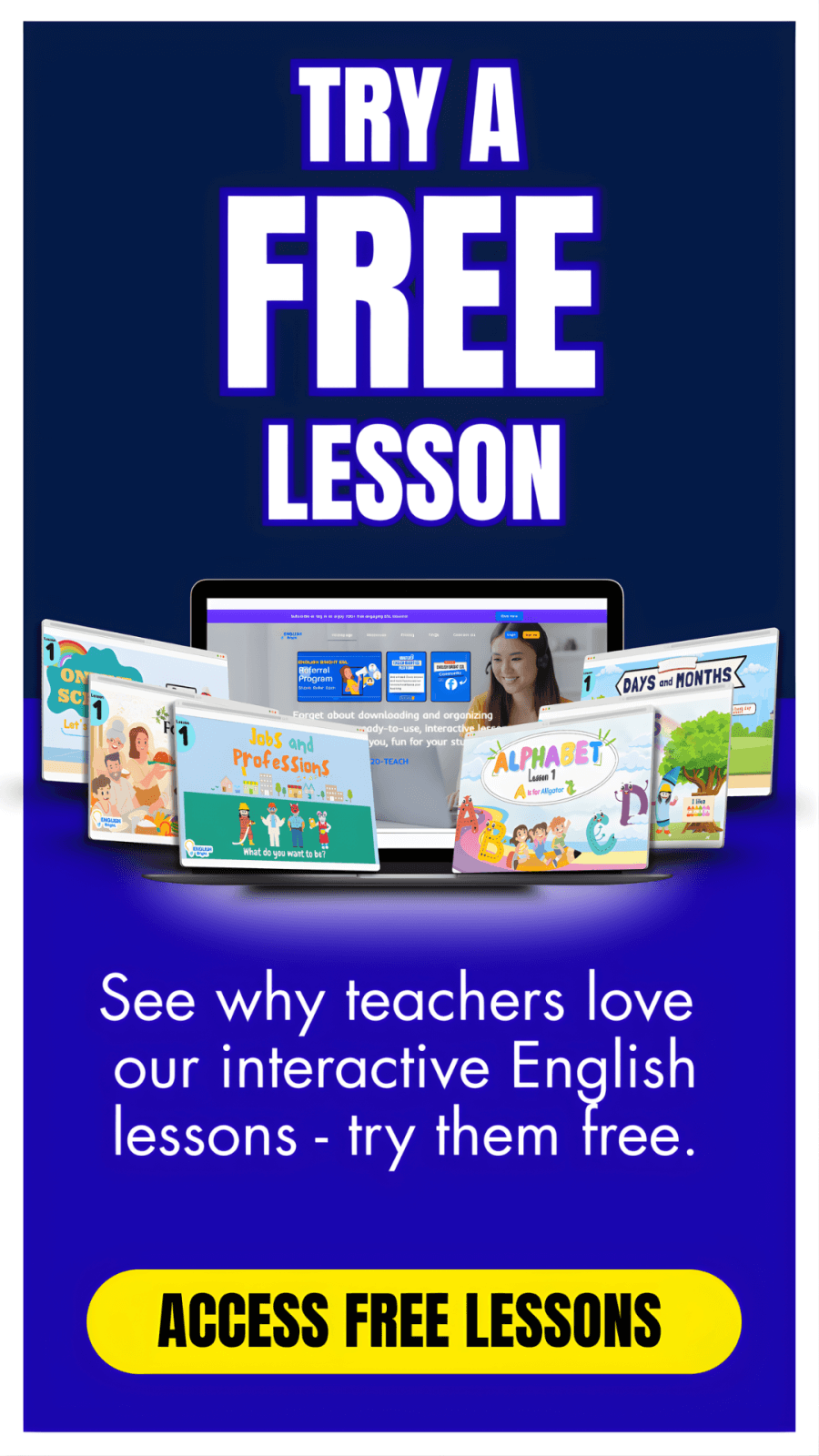
English Bright ESL offers a wealth of interactive tools and resources that make teaching more engaging. The platform includes digital flashcards, interactive games, and ready-made lesson plans for various topics, such as vocabulary, sentence patterns, and phonics. For beginners, English Bright offers a structured learning path with comprehensive lesson components that include games, stories, and activities tailored for young learners.
The platform also supports ESL teachers in offering personalized, fun, and engaging lessons that can be adapted for individual learning needs. Teachers can also track student progress and adjust lessons accordingly, which is key to maintaining student engagement over time.
Conclusion
To be an effective online ESL teacher, it’s essential to equip yourself with the right tools to create a seamless, engaging, and interactive learning experience for your students. The virtual classroom platform, your basic teaching setup, and interactive materials are the core components of a successful online ESL teaching environment.
By choosing the right virtual classroom, investing in quality equipment, and utilizing interactive materials, you can create a dynamic and engaging learning environment that fosters student progress and makes teaching English online an enjoyable experience. With the right combination of tools and resources, you’ll be on your way to delivering highly effective and engaging lessons that resonate with your students.

Leave a Reply